Introduction
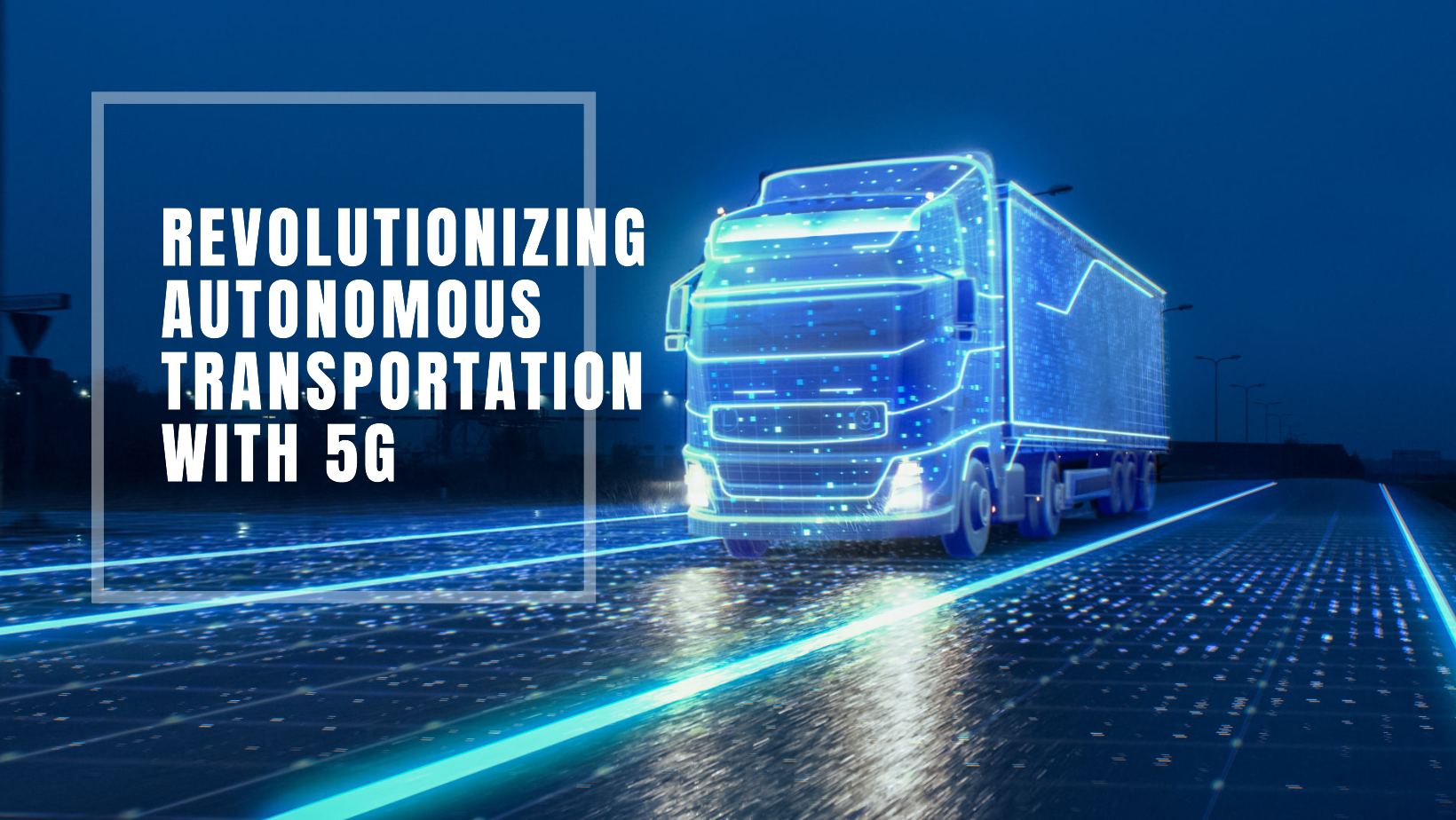
The advent of 5G technology is set to revolutionize various sectors. Autonomous vehicles (AVs) will be one of the most significant beneficiaries. This article examines the role of 5G in enhancing autonomous vehicle capabilities. It also discusses the challenges and opportunities it presents. Finally, the article explores the future prospects of this transformative technology.

The Role of 5G in Autonomous Vehicles
Vehicle-to-Everything (V2X) Communication
- Vehicle-to-Vehicle (V2V): 5G enables real-time data exchange between vehicles. This technology enhances safety through features like collision warnings and cooperative adaptive cruise control1. This communication allows vehicles to share information about their speed, location, and direction, reducing the risk of accidents.
- Vehicle-to-Infrastructure (V2I): 5G supports communication between vehicles and traffic infrastructure, like traffic lights and road signs. This facilitates real-time traffic management, dynamic route adjustments, and improved navigation.
- Vehicle-to-Pedestrian (V2P): 5G enhances safety for pedestrians by enabling vehicles to detect and respond to pedestrians more quickly. Smart crosswalks and emergency alerts are examples of how V2P communication can improve road safety.
Real-Time Data Processing
- The low latency of 5G ensures that autonomous vehicles can process and act on data almost instantaneously. This is crucial for real-time decision-making, like avoiding obstacles or adjusting to sudden changes in traffic conditions.
Enhanced Navigation and Traffic Management
- 5G supports advanced navigation systems that give real-time updates on road conditions, construction zones, and accidents. This allows for dynamic route planning and more efficient travel.
Remote Control and Monitoring
- In situations where human intervention is necessary, 5G allows for remote control and monitoring of autonomous vehicles. This ensures safety and compliance with regulations.
Reference: https://www.softeq.com/blog/connected-vehicles-of-the-future-how-5g-empowers-v2x-communication
Challenges and Considerations
- Infrastructure Costs
- Deploying 5G requires significant investment in new infrastructure, including more base stations and fiber optic cables. This is a major challenge for widespread adoption.
- Spectrum Availability
- The availability of suitable frequency bands is critical for 5G deployment. Regulatory bodies need to divide and manage spectrum efficiently.
- Security and Privacy Concerns
- The increased connectivity of 5G networks introduces new security risks. Robust measures are needed to protect against cyber threats and make sure data privacy.
- Battery Life
- 5G can consume more battery than 4G, especially in areas with poor coverage. Optimizing power consumption is essential for the practical use of 5G in autonomous vehicles.
Reference: https://www.zdnet.com/article/why-5g-is-a-crucial-technology-for-autonomous-vehicles/
Embedded systems in the automotive industry allow advanced features but face challenges, vulnerabilities, and security measures. Read more: https://authenticjourneys.in/2024/07/29/embedded-systems-in-cars-challenges-security-and-iso-26262/
Future Prospects
- Smart Cities
- 5G will help in the development of smart cities with connected infrastructure. It will improve urban living through efficient traffic management, energy use, and public services.
- Healthcare
- Autonomous vehicles equipped with 5G can support healthcare applications like remote monitoring and telemedicine. This can improve access to healthcare services, especially in remote areas.
- Industry 4.0
- 5G will enhance manufacturing processes by supporting real-time monitoring and control, leading to increased automation and efficiency.
- Entertainment and Media
- Enhanced mobile broadband will support high-quality video streaming, virtual reality (VR), and augmented reality (AR) experiences.


Legal Implications
- Liability and Accountability
- Determining liability in accidents involving autonomous vehicles can be complex. Legal frameworks need to tackle the responsibilities of manufacturers, software developers, and other stakeholders.
- Data Privacy Regulations
- Compliance with data privacy laws, like GDPR and CCPA, is essential to protect user data and make sure consumer trust.
- Insurance
- The insurance industry must adapt to cover the unique risks related to autonomous vehicles and data breaches.
Conclusion
5G technology is poised to transform the landscape of autonomous vehicles, driving innovation, and improving safety, efficiency, and convenience. Addressing the associated challenges is crucial. This is particularly true in terms of infrastructure, security, and legal implications. It is essential for the successful and sustainable deployment of 5G networks. We are moving towards a future where autonomous vehicles become commonplace. The synergy between 5G and AVs will play a pivotal role in shaping the future of transportation.
We encourage you to share your thoughts and insights on this topic. Join the conversation by leaving a comment below.
Leave a Reply