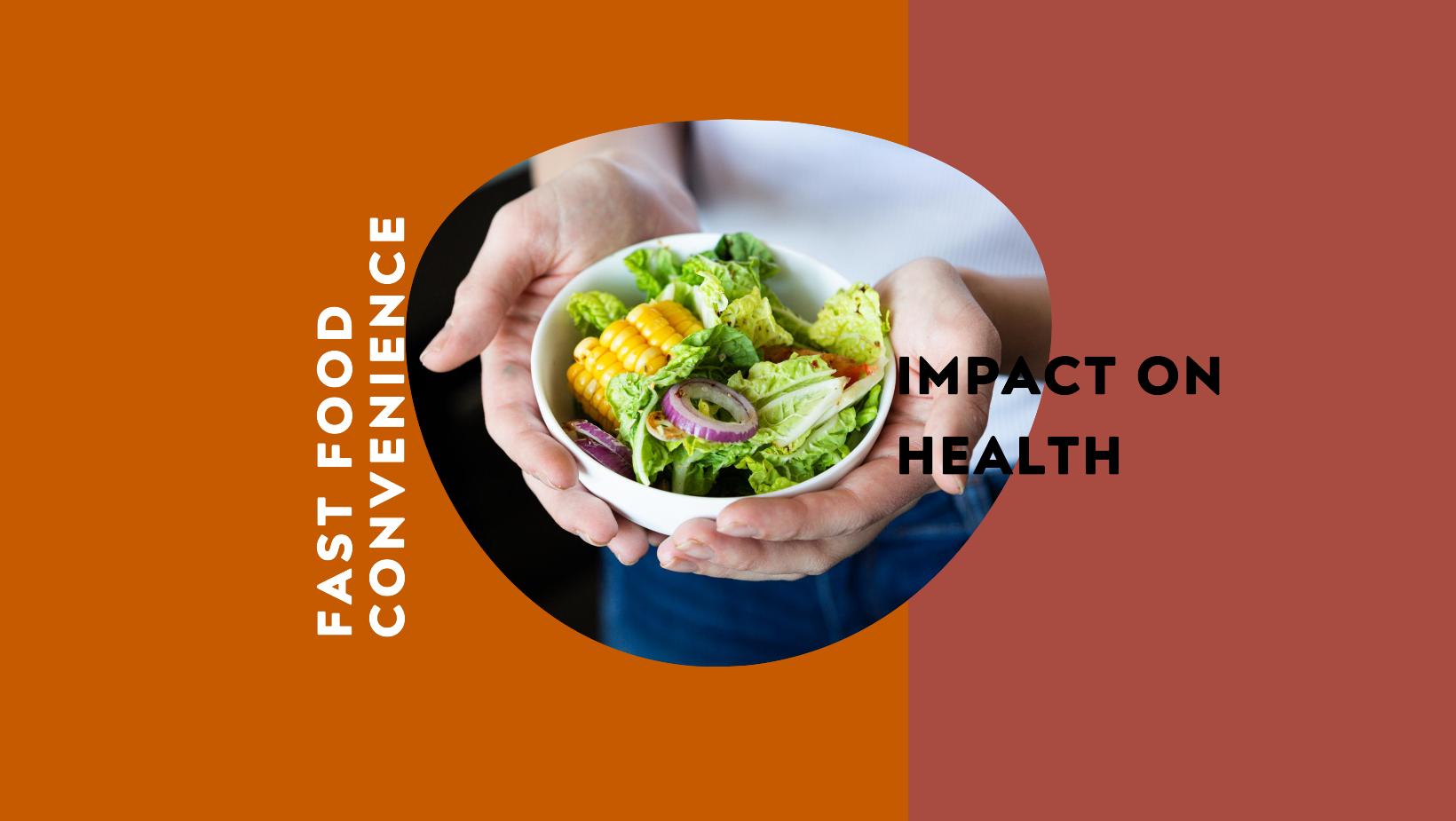
In today’s fast-paced world, where technology reigns supreme and time is a luxury, the convenience of fast food has become an integral part of our daily lives. With the rise of food delivery apps like Swiggy and Zomato, the allure of quick, tasty meals delivered right to our doorsteps is hard to resist. However, this convenience comes at a significant cost to our health and well-being.

The Digital Dilemma
As we spend countless hours glued to our screens, whether for work, entertainment, or social media, the time and energy required to prepare healthy meals at home seem increasingly out of reach. The digital age has not only changed the way we work and communicate but also how we eat. The ease of ordering food online has exacerbated our reliance on fast food, leading to a surge in unhealthy eating habits.
The Health Hazards
Fast food is often high in calories, sugar, salt, and unhealthy fats, while lacking essential nutrients. Consuming it regularly can lead to a host of health issues, both in the short and long term. In the short term, fast food can cause spikes in blood sugar and blood pressure, increase inflammation, and lead to nutrient deficiencies. Over time, a diet rich in fast food can result in obesity, type 2 diabetes, heart disease, digestive problems, and even mental health issues.
- Reference:
Real-Life Examples
Consider the case of the United States, where fast food consumption is a significant part of the culture. Studies have shown that nearly 37% of adults consume fast food on any given day. This high consumption rate is linked to the country’s rising obesity rates and related health problems. Similarly, in India, the growing popularity of fast-food chains and delivery apps has led to an increase in lifestyle-related diseases.
Personal Anecdotes
Take the story of Ramesh, a software engineer from Bangalore. Ramesh used to rely heavily on fast food due to his hectic work schedule. However, after experiencing health issues like weight gain and fatigue, he decided to make a change. By dedicating weekends to meal prep and choosing healthier options when ordering out, Ramesh managed to improve his health significantly. His story is a testament to the power of small, consistent changes.
The Environmental Impact
Beyond personal health, the fast food industry also has a considerable environmental footprint. The production and packaging of fast food contribute to pollution, deforestation, and excessive waste. The convenience of single-use packaging, while appealing, adds to the growing problem of plastic waste and environmental degradation.
A Call to Action
While the convenience of fast food is undeniable, it’s crucial to strike a balance. Here are some actionable tips to mitigate the negative impacts:
- Plan Ahead: Dedicate some time each week to meal planning and preparation. This can help reduce the temptation to order fast food.
- Make Healthier Choices: When ordering from food apps, opt for healthier options like salads, grilled items, and dishes with more vegetables.
- Limit Screen Time: Reducing the time spent on digital devices can free up time for cooking and other healthy activities.
- Educate and Advocate: Raise awareness about the health and environmental impacts of fast food. Support policies and initiatives that promote healthier eating habits and sustainable practices.
Healthy Recipes
- EatingWell Healthy Recipes: https://www.eatingwell.com/recipes/
- Healthy Orange Chicken: https://thecleaneatingcouple.com/healthy-orange-chicken/
- Healthy Dates Brownies: https://thecleaneatingcouple.com/healthy-orange-chicken/
Conclusion
The fast-food frenzy, fueled by our digital lifestyles, poses significant challenges to our health and the environment. By making conscious choices and advocating for change, we can enjoy the benefits of modern technology without compromising our well-being. Let’s take a step back from the convenience of fast food and embrace a healthier, more sustainable way of living.
Feel free to comment below if you need any additional insights.
Leave a Reply