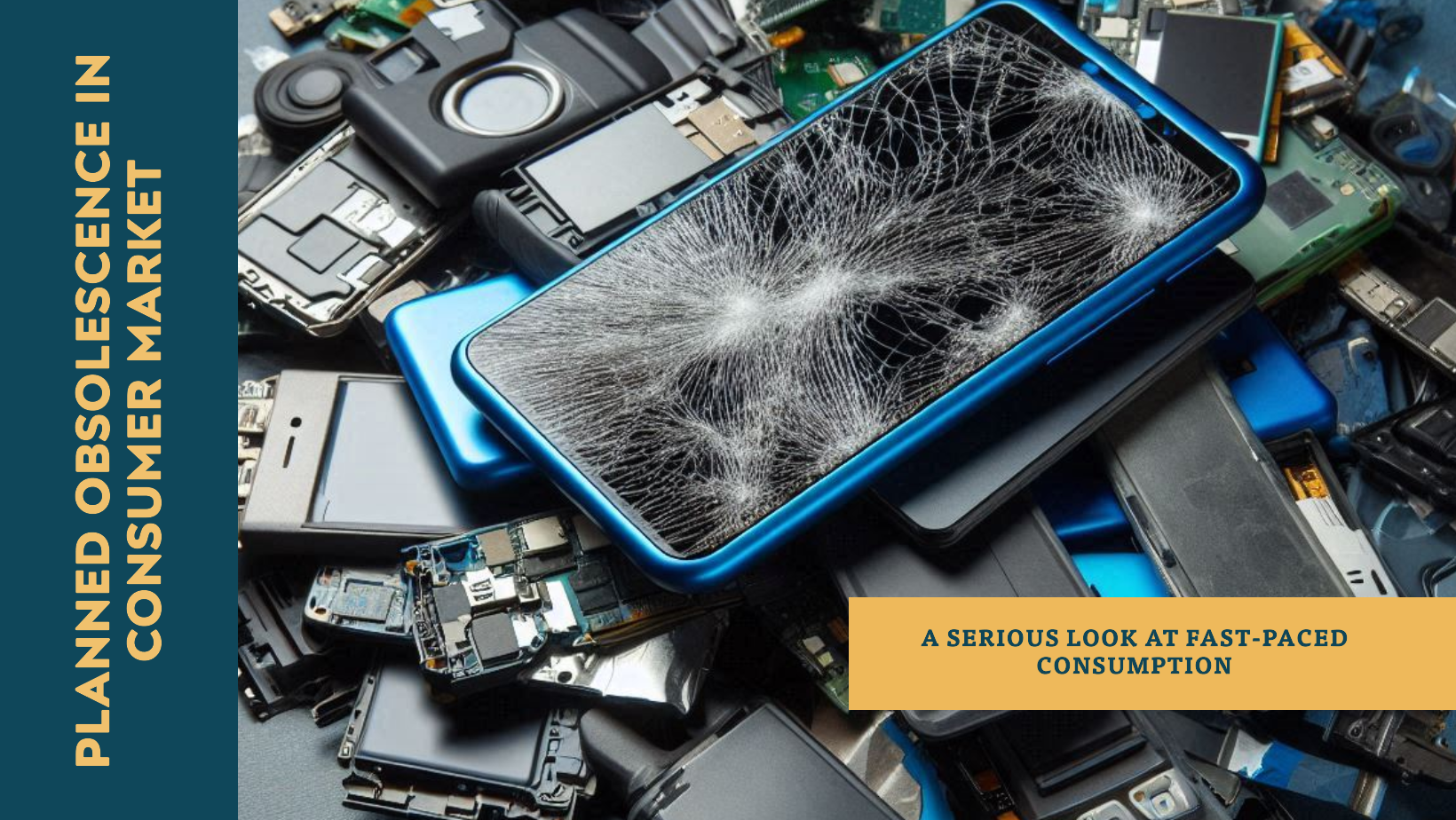
In today’s fast-paced consumer market, many products seem to have a surprisingly short lifespan. This isn’t always due to inferior quality or wear and tear; often, it’s a result of a deliberate strategy known as planned obsolescence. This practice ensures that products become outdated or non-functional after a certain period, compelling consumers to purchase replacements. Let us investigate how planned obsolescence works and how consumers can navigate this landscape.

Understanding Planned Obsolescence
Definition and History: Planned obsolescence is the strategy of designing products with a limited useful life, so they become obsolete or non-functional after a certain period. This concept dates back to the early 20th century, with one of the earliest examples being the 1923 Chevrolet, which introduced annual model changes to encourage frequent purchases.
Types of Planned Obsolescence:
- Functional Obsolescence: Products are designed to fail or become less efficient after a certain period. For example, electronic devices may have components that wear out quickly.
- Perceived Obsolescence: This involves changing the design or style of a product to make older versions seem outdated. Fashion and technology industries often use this tactic.
- Systemic Obsolescence: Software updates that are incompatible with older hardware can force consumers to buy new devices.
Reference: https://en.wikipedia.org/wiki/Planned_obsolescence
Economic Rationale: The primary goal of planned obsolescence is to boost sales by shortening the replacement cycle. By ensuring that products need to be replaced more frequently, companies can maintain a steady stream of revenue.
Real-Life Examples of Planned Obsolescence
- Apple iPhones: One of the most well-known examples is Apple’s practice of slowing down older iPhone models through software updates. This tactic has led to multiple lawsuits and significant consumer backlash. Reference: https://veryinformed.com/planned-obsolescence-examples/
- Printer Ink Cartridges: Many printers are designed to stop working when a single color runs low, even if there is enough ink to complete the printing job. This forces consumers to buy new cartridges more frequently.
- Light Bulbs: The “Phoebus cartel” in the 1920s is a historical example where manufacturers conspired to reduce the lifespan of light bulbs to increase sales. Reference: https://www.wallstreetmojo.com/planned-obsolescence/
- Fast Fashion: Clothing brands frequently release new collections, making previous styles seem outdated. This encourages consumers to buy new clothes more often.
The Impact on Consumers
- Financial Burden: Consumers end up spending more money on replacements, which can strain their budgets, especially if the products are expensive.
- Environmental Concerns: Frequent replacements contribute to electronic waste, which has significant environmental impacts. Discarded products often end up in landfills, leading to pollution.
- Consumer Trust: When consumers realize that products are designed to fail, it can erode trust in brands. This can lead to negative perceptions and reduced brand loyalty.

How to Combat Planned Obsolescence
- Research Before Purchase: Look for products known for their durability and longevity. Reviews and consumer reports can provide valuable insights into the lifespan of products.
- Support Right to Repair: Advocate for and support legislation that promotes the right to repair. This movement aims to give consumers the ability to repair their own devices, extending their lifespan. Organizations like ‘The Repair Association’ (https://www.repair.org) and ‘Right to Repair India’ (https://righttorepairindia.gov.in/index.php) are at the forefront of this movement.
- Choose Sustainable Brands: Some companies prioritize sustainability and design products to last longer. Supporting these brands can encourage more companies to adopt similar practices. For example:
- Patagonia: Known for its durable outdoor clothing, Patagonia encourages customers to repair their gear instead of buying new items.
- Fairphone: This company designs smartphones with modular components, making them easy to repair and upgrade.
- Maintain and Repair: Regular maintenance can extend the life of products. Learning basic repair skills or using repair services can also help keep products functional for longer.
- Mindful Consumption: Consider whether a new purchase is necessary. Sometimes, the latest model isn’t significantly better than the current one, and holding off on upgrades can save money and reduce waste.
Conclusion
Planned obsolescence is a widespread practice that benefits manufacturers but often at the expense of consumers and the environment. By understanding this strategy and taking proactive steps, consumers can make more informed decisions, save money, and contribute to a more sustainable future. Awareness and mindful consumption are key to navigating the challenges posed by planned obsolescence.
Leave a Reply